Auction Bidding Paddles, Dry Erase Paddles, and Answer Paddles: A Practical Guide to Choosing the Right Handheld Tools
Handheld paddles are simple objects with outsized impact. Whether you are running a charity auction, teaching a lively classroom lesson, or hosting a fast-paced trivia night, the right paddle can keep attention focused, communication clear, and participation high. Among the most useful options are auction bidding paddles, dry erase paddles, and answer paddles. Each serves a distinct purpose, but all three share a common strength: they make it easy for people to signal, respond, and engage without shouting over a crowd.
Why Handheld Paddles Still Matter
Digital tools are everywhere, yet low-tech paddles remain remarkably effective. They are visible from a distance, require no batteries, and work instantly. In a crowded fundraiser, a bidder needs only to lift a numbered paddle to be seen. In a classroom, a student can show an answer without feeling singled out. In a meeting, a dry erase paddle can turn a passive audience into active participants. The best paddles are lightweight, durable, and easy to read from across a room.
Auction Bidding Paddles: Clear, Fast, and Fundraiser-Friendly
Auction bidding paddles are designed for speed and visibility. They typically feature large numbers, bold colors, and rigid handles that stay upright when raised. In a live auction, every second matters, so spectators must be able to catch the auctioneer’s eye immediately. Numbered paddles also help organizers track bids accurately, especially when multiple bidders raise their paddles at once.
- Large printed numbers for quick identification from the stage or front row.
- Sturdy handles that remain comfortable during long events.
- Bright color options that stand out against dim lighting or busy backgrounds.
- Reusable designs that suit annual galas, school fundraisers, and benefit auctions.
When choosing auction bidding paddles, avoid glossy finishes that reflect stage lights. A matte surface with high-contrast numbering is usually easier to read. Also consider whether you need pre-numbered paddles for assigned bidder registration or blank paddles that can be labeled on site.
Dry Erase Paddles: Reusable Flexibility for Every Event
Dry erase paddles bring adaptability to the table. Instead of committing to a single printed message, users can write, wipe, and rewrite as needed. This makes them ideal for team names, quick quizzes, brainstorming sessions, and audience polls. A dry erase paddle can be a bidding paddle in one activity and an answer board in the next, which makes it a smart choice for event planners who want one tool to do more.
Best use case: A dry erase paddle is at its best when the question—or the answer—changes frequently.
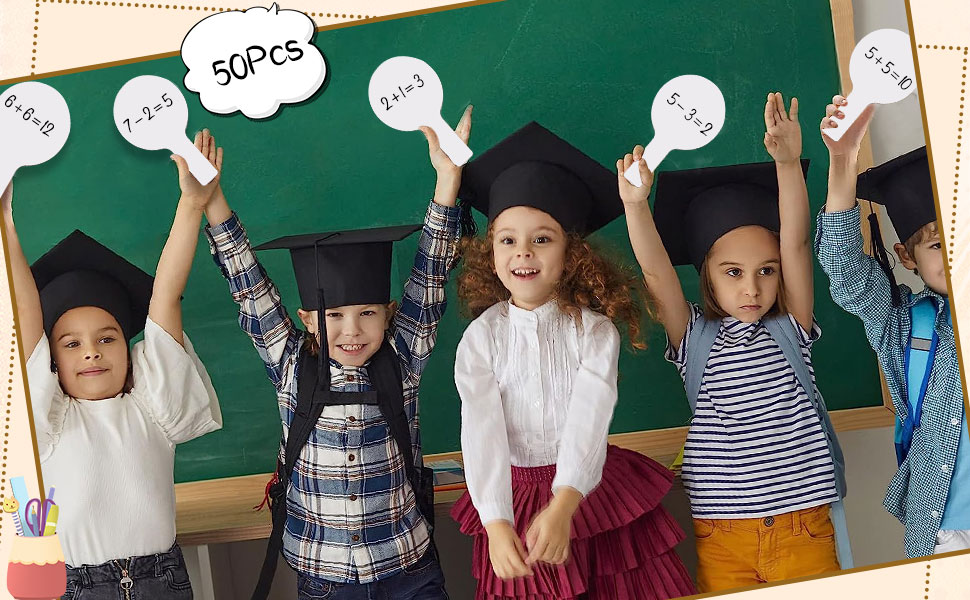
For classrooms, dry erase paddles encourage every student to participate at once. Teachers can ask a math problem, a vocabulary question, or a quick confidence check, and the whole class responds silently. For corporate workshops, they help facilitators gather opinions without group pressure. For trivia nights, they let teams submit answers while keeping the game moving.
- Reusable surface reduces paper waste and repeated printing costs.
- Quick cleanup keeps activities moving without long pauses.
- Versatile format supports polls, quizzes, sketches, and team labels.
- Easy storage makes them practical for schools, offices, and mobile event kits.
Answer Paddles: Instant Engagement in Classrooms and Meetings
Answer paddles are preprinted response tools, often featuring choices such as True/False, Yes/No, A/B/C/D, or Agree/Disagree. They are designed for speed and simplicity. Instead of waiting for a hand raise or a digital poll, a presenter can ask a question and receive a visual response from the entire room almost instantly.
- Ask the question clearly and give participants a moment to think.
- Count down together so everyone reveals an answer at the same time.
- Scan the room to gauge understanding and spot common misconceptions.
- Follow up quickly with clarification, discussion, or a second question.
Answer paddles are especially useful in training sessions, classrooms, and interactive presentations because they create a low-pressure way to participate. Shy participants can answer without speaking, while facilitators get immediate feedback about what the audience understands.
Design and Material Considerations
Size, Shape, and Visibility
Paddle size should match the room. Small hand paddles work well in close classroom settings, while larger auction bidding paddles need to be visible from the back of a ballroom. Rounded corners improve safety, and a comfortable handle makes a difference during long events. Bold fonts and high-contrast colors matter more than decorative details.
Ink, Erasing, and Durability
For dry erase paddles, look for smooth surfaces that erase cleanly without ghosting. Low-odor markers are a smart choice for classrooms and enclosed meeting rooms. Durable edges and lightweight cores help paddles survive repeated use, stacking, and transport. If you plan to reuse them across many events, choose materials that resist warping and staining.
| Paddle Type | Best For | Key Feature |
|---|---|---|
| Auction bidding paddles | Fundraisers, galas, live auctions | Large numbers and high visibility |
| Dry erase paddles | Classrooms, workshops, trivia | Reusable writing surface |
| Answer paddles | Training, polling, quick quizzes | Preprinted response options |
How to Choose the Right Paddle for Your Audience
Start with the activity, not the product. If people need to bid, choose auction bidding paddles with clear numbers and sturdy handles. If answers will change often, choose dry erase paddles and stock up on markers and erasers. If you need fast, standardized responses, answer paddles will keep the room synchronized and engaged. For mixed events, buy a versatile set of dry erase paddles and use printed inserts or stickers to adapt them for different sessions.
Final Thoughts
Auction bidding paddles, dry erase paddles, and answer paddles may look simple, but they solve real communication problems. They improve visibility, speed up participation, and make events feel more interactive. By matching the paddle type to your audience and setting, you can create smoother auctions, livelier lessons, and more engaging meetings—without adding complexity to your setup.