The Ultimate Guide to Bird Feeders & Outdoor Accessories: Attract, Feed, and Enjoy Backyard Birds
Watching birds flutter into your yard is one of life’s simple pleasures. Whether you’re a seasoned birder or a curious beginner, the right bird feeders and outdoor accessories can transform your garden into a thriving avian oasis. From selecting the perfect feeder to maintaining a clean and inviting habitat, this guide covers everything you need to know to attract a diverse cast of feathered visitors.
Choosing the Right Bird Feeder
The foundation of any bird-friendly backyard is a well-chosen feeder. Different species have different feeding habits, so understanding the options will help you match your setup to your local bird population.
Types of Feeders
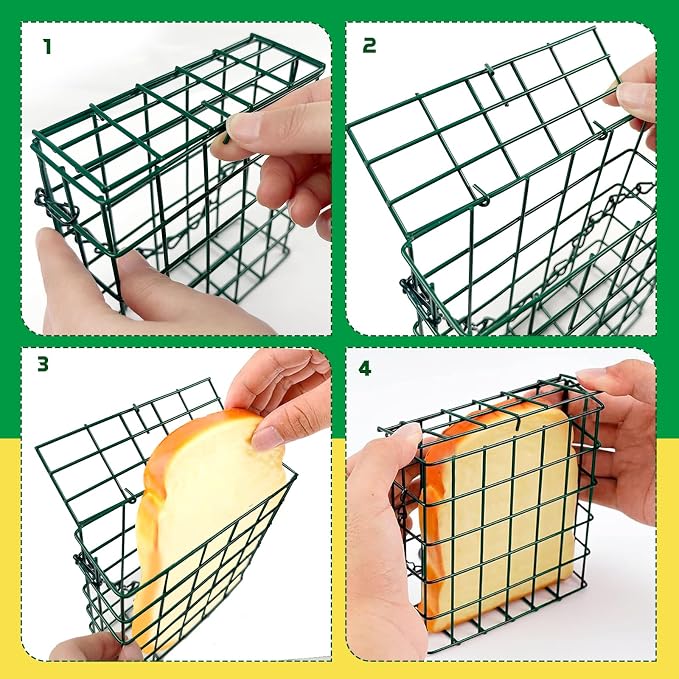
Hopper feeders are classic and versatile, holding large quantities of seed and accommodating many birds at once. Tube feeders are excellent for small birds like chickadees and finches, while suet feeders cater to woodpeckers and nuthatches. Platform feeders attract ground-feeding species such as cardinals and doves, and nectar feeders are essential for hummingbirds. Consider hanging multiple types to create a buffet that appeals to a wide range of birds.
Placement Matters
Where you place your feeder is just as important as what you put in it. Mount feeders 5–10 feet from trees or shrubs to give birds a safe retreat from predators, but not so close that squirrels can leap onto them. Keep feeders away from windows to reduce collisions, or use window decals. For best results, position feeders in a quiet area with some shelter from wind and rain.
Essential Outdoor Accessories for Bird Lovers
Feeders alone are just the beginning. A few key accessories can elevate your backyard into a full-service bird habitat.
Bird Baths
Birds need water for drinking and bathing, and a clean bird bath is a magnet for activity. Choose a shallow basin with a gentle slope and add a dripper or mister to create moving water—birds can’t resist the sound. Refresh the water every few days and scrub the bath regularly to prevent algae and disease.
Squirrel Baffles and Guards
Squirrels are relentless, but a quality baffle can save your seed. Pole-mounted baffles and cone-shaped guards prevent squirrels from climbing up to feeders. For hanging feeders, a slinky-style baffle or a wide dome can keep them at bay. Remember that no setup is 100% squirrel-proof, but combining baffles with squirrel-resistant feeders will greatly reduce raids.
Seed Storage and Scoops
Keep your birdseed fresh and dry with a dedicated seed storage container. A metal or heavy-duty plastic bin with a tight lid protects against moisture, rodents, and insects. A long-handled scoop makes refilling feeders quick and mess-free, while a seed catcher tray underneath can catch spillage and reduce waste.
Attracting a Variety of Birds
Variety is the spice of backyard birding. The more diverse your offerings, the more species you’ll see.
Seed Selection
Black-oil sunflower seeds are the universal favorite, attracting the widest range of birds. Nyjer seed is a must for finches, while safflower is less appealing to squirrels and grackles. Avoid bargain mixes with heavy fillers like milo and wheat—they often end up on the ground. For suet, choose plain or nutty varieties and offer them in a tail-propelled feeder for woodpeckers.
Seasonal Considerations
Bird feeding isn’t just a winter activity. Spring and summer bring nesting birds and fledglings, so keep feeders stocked with high-energy foods. In fall, migratory birds appreciate a reliable food source. And in winter, high-fat foods like suet and sunflower seeds help birds survive cold nights. Adjust your offerings with the seasons to support birds year-round.
“A bird-friendly garden is a gift that keeps on giving—not just to the birds, but to the people who watch them.”
Maintenance and Cleaning
A dirty feeder can spread disease and deter birds. Clean your feeders every two weeks—more often during warm, humid weather. Use a mild bleach solution (one part bleach to nine parts water), rinse thoroughly, and allow to dry completely before refilling. Replace moldy or wet seed immediately, and keep the ground beneath feeders free of hulls and droppings. A clean feeding station is a healthy one.
Creating a Bird-Friendly Habitat
Beyond feeders and accessories, think about the bigger picture. Native plants provide natural food and shelter, while a brush pile offers refuge from predators and harsh weather. Avoid pesticides, and consider adding a nesting box or two. The more layers your habitat has—trees, shrubs, ground cover—the more birds will feel at home.
With the right combination of feeders, accessories, and thoughtful maintenance, your backyard can become a year-round destination for birds. Start small, observe what visits, and adjust as you go. The rewards—colorful visitors, cheerful songs, and a deeper connection to nature—are well worth the effort.