Paper Mache Easter Eggs: Paintable Craft Eggs for Endless Holiday Creativity
When spring arrives, crafters start looking for fresh ways to celebrate. Paper mache eggs offer a wonderful alternative to traditional dyed shells, combining the charm of handmade texture with the freedom of a blank canvas. Whether you are planning a family afternoon, a classroom project, or a solo creative session, paintable Easter eggs invite you to experiment with color, pattern, and personality. Unlike fragile real eggs, these lightweight craft eggs are durable, forgiving, and ready for layer upon layer of artistic expression.
From simple pastel washes to bold folk-art designs, the possibilities are nearly endless. In this guide, we will explore why paper mache eggs are such a versatile choice, how to paint them like a pro, and which creative ideas can turn ordinary Easter eggs for crafts into keepsakes you will want to display year after year.
Why Paper Mache Eggs Deserve a Spot on Your Craft Table
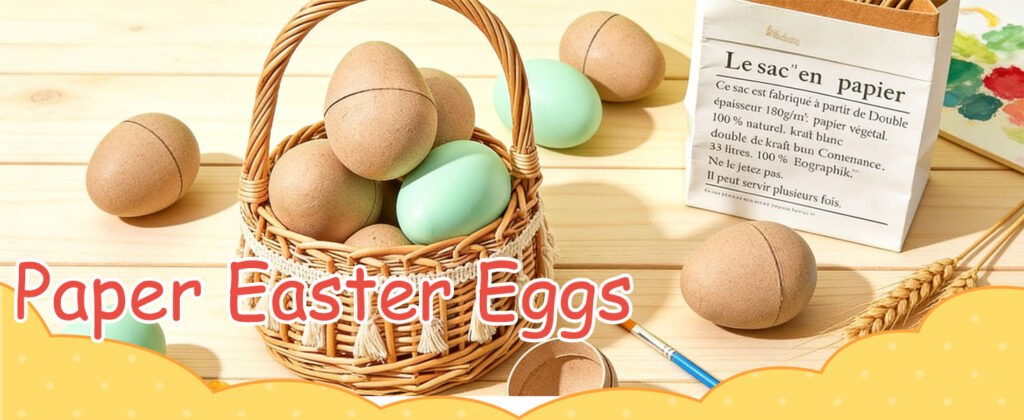
Paper mache eggs are exactly what they sound like: hollow or solid egg shapes made from layered paper and paste, then dried to a smooth, sturdy finish. They are lightweight enough for children to handle, yet strong enough to survive repeated painting sessions and gentle handling. That combination makes them ideal for paintable Easter eggs projects where mistakes are part of the fun.
Lightweight, Durable, and Ready to Paint
One of the biggest advantages of paper mache eggs is their surface. It accepts acrylic paint, tempera, gouache, and even markers with excellent results. The slightly porous texture grips color well, so you do not need to prime every egg before you begin. Many craft eggs arrive already sanded and ready to decorate, which means less prep time and more creative time.
Another benefit is safety. Real eggs can crack, leak, or harbor bacteria if not handled carefully. Paper mache eggs eliminate those concerns, making them a smart choice for Easter eggs for crafts with toddlers, school groups, and community events. They are also reusable: if you grow tired of a design, a fresh coat of paint can give the same egg an entirely new life.
From Blank Canvas to Easter Masterpiece: Painting Techniques
Painting paper mache eggs is a forgiving process, but a few simple techniques can elevate your results from cute to stunning. Start with a clean, dry surface and gather your supplies: acrylic paints, assorted brushes, a palette or paper plate, water for rinsing, and a protective cover for your workspace.
- Base coat first: Apply a thin, even layer of light-colored paint to help subsequent colors pop.
- Work in layers: Let each coat dry before adding details to avoid muddy colors.
- Use the right brush: A flat brush works well for broad stripes, while a fine liner is perfect for dots and outlines.
- Embrace imperfections: Slight brush marks add handmade character to paintable Easter eggs.
Layering Colors and Patterns
Once your base coat is dry, the real fun begins. Try soft sponge-dabbing for a speckled egg effect, or use painter’s tape to create crisp geometric stripes. Cotton swabs dipped in paint make perfect polka dots, and a toothpick can drag wet paint through still-wet stripes for a marbled look. For a folk-art feel, outline simple flowers, leaves, or scallops with a fine brush and finish with tiny white highlights.
Creative tip: Paint a set of eggs in a single color family, then vary the patterns. A trio of soft coral, peach, and cream eggs with different motifs looks intentional and elegant on a spring table.
Easter Eggs for Crafts: Ideas Beyond the Traditional Dye
Because paper mache eggs are sturdy and paintable, they work beautifully in a wide range of craft projects. Consider these ideas for your next creative session:
- Table centerpieces: Paint eggs in metallic and pastel tones, then nestle them in a shallow bowl with moss or dried flowers.
- Place card holders: Glue a small loop of twine to the top of each egg and tuck in a handwritten name card for Easter dinner.
- Garlands and mobiles: Thread painted eggs onto ribbon or twine to create a cheerful spring garland.
- Gift toppers: A single hand-painted egg makes a charming addition to a wrapped present or Easter basket.
- Story eggs: Paint symbols or scenes on each egg, then use them to tell a holiday story with children.
Group Crafts and Family-Friendly Fun
Paper mache eggs are especially popular for group crafts because they level the playing field. Young children can focus on bold color blocking and sticker resist techniques, while older kids and adults can attempt detailed patterns and lettering. Set up a shared paint station with a few base colors, patterned napkins for decoupage, and plenty of paper towels. The result is a relaxed, collaborative atmosphere where every paintable Easter egg becomes a small work of art.
Choosing the Right Paintable Easter Eggs
Not all craft eggs are created equal. When shopping for paper mache eggs, look for smooth, evenly shaped shells with no deep dents or loose paper edges. A good egg should feel solid but not heavy, and it should stand upright without wobbling. If you plan to hang your eggs, check whether they come with pre-drilled holes or small hanging loops.
Consider size, too. Smaller eggs are great for ornaments and garlands, while larger eggs offer more room for detailed designs. Many sets include a mix of sizes, which gives you flexibility for different projects. Finally, check the label for compatibility with the paint you plan to use. Most paper mache eggs work well with water-based acrylics, but a quick test on the bottom of one egg can save you from surprises later.
Finishing Touches and Care Tips
Once your design is complete, let the paint cure fully before handling. If you want a subtle sheen and extra protection, apply a thin layer of water-based craft varnish or matte sealer. Avoid soaking paper mache eggs in water, and store them in a dry, cool place when the season ends. With gentle care, your hand-painted eggs can become part of your holiday traditions for years to come.
Whether you are a seasoned crafter or a curious beginner, paper mache eggs offer a delightful way to slow down and create something meaningful. They transform ordinary Easter eggs for crafts into personal treasures, and they prove that sometimes the simplest materials—paper, paste, and paint—can spark the most joyful creativity. This spring, pick up a few paintable Easter eggs, gather your favorite colors, and see where your imagination takes you.