Cabinet Door Painting Hanger, Paint Drying Rack, and Painting Brackets: The Smart Setup for Flawless Painted Cabinets
Painting cabinet doors is one of those jobs that looks simple until you have twenty doors leaning against every wall, wet edges touching, dust settling, and nowhere safe to put the next coat. A cabinet door painting hanger, a paint drying rack, and a set of painting brackets solve that problem. They turn a crowded garage or workshop into an organized drying line where every door gets airflow, space, and a clean finish. Whether you are a DIY homeowner refreshing a kitchen or a professional finisher handling custom cabinetry, these small accessories can make a large difference in speed, safety, and quality.
Why Cabinet Doors Need a Dedicated Painting Hanger
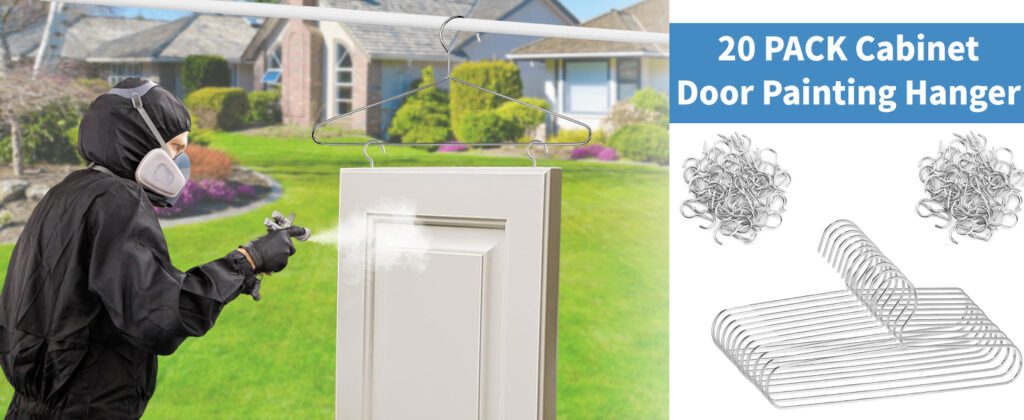
Cabinet doors are awkward. They are flat, wide, and usually painted on both sides. If you lay them on sawhorses, you have to wait for one side to dry before flipping them, and the wet edge often picks up dust or marks. A cabinet door painting hanger holds the door vertically or at an angle so air can move around both faces. Many hangers use a simple hook-and-bar design: the door hangs from its hinge holes or rests in adjustable brackets, keeping the painted surface away from the workbench.
Better airflow means faster curing. Paint and primer release solvents as they dry. When a door lies flat, the underside stays trapped against the surface. Hanging it vertically allows consistent air circulation, which reduces tackiness, sagging, and uneven sheen. It also gives you a place to put the door immediately after spraying or brushing, so you are not juggling wet panels while reaching for another support.
Stability Matters More Than You Think
A good hanger is not just a hook. It must hold the door securely without flexing or tipping. Look for wide contact points, non-marring coatings, and a base that resists tipping when a door is bumped. Painting brackets often include rubberized arms or foam pads that grip the door edge without scratching fresh paint. If you are painting raised-panel or shaker doors, adjustable brackets let you position the support on a strong frame area rather than a delicate center panel.
Paint Drying Rack: Turn Any Corner into a Drying Line
A paint drying rack is the backbone of an efficient cabinet painting setup. Instead of a single hanger, a rack provides multiple stations. Some models are freestanding towers with horizontal bars; others are wall-mounted rails with removable arms. The best racks are modular, so you can add or remove brackets as your project grows. A 10-door kitchen job needs more capacity than a single bathroom vanity, but the same rack can scale to fit both.
Think in terms of workflow. A practical drying rack should let you load doors from one side and remove them from the other, or at least keep finished pieces out of the spray zone. If the rack is on casters, you can move the entire drying line out of the way when it is time to paint the cabinet frames. That flexibility is especially useful in small garages where the “paint booth” and the “drying area” are the same square footage.
Pro tip: Label each bracket position with painter’s tape and a door number. When it is time to reinstall, you will know exactly which door belongs to which cabinet opening—no guessing, no scratched edges, no extra trips up the ladder.
Painting Brackets: The Small Parts That Protect the Finish
Painting brackets are the unsung heroes of a cabinet painting project. They are the contact points between the door and the rack, and they do the quiet work of preventing smudges, dents, and paint transfer. Cheap brackets can leave pressure marks on soft wood or react with solvent-based finishes. Quality brackets use padded surfaces, adjustable arms, and corrosion-resistant metal. Some are designed to hold doors by the hinge holes, while others cradle the door by its edges.
Choose brackets that match your painting method. If you are spraying, you want brackets that stay outside the spray pattern or can be wiped clean easily. If you are brushing, you need enough clearance to reach the edges without knocking the door. For doors with intricate profiles, adjustable brackets are worth the investment because they can be positioned to avoid raised details and glass panels.
Setting Up a Safe and Efficient Drying Zone
Before you hang the first door, set up the space with intention. Keep the drying rack away from open flames, sparks, and dusty areas. Cover the floor with a drop cloth, but avoid loose plastic that can trip you or stick to wet paint. Maintain a steady temperature and good ventilation—most paints cure best between 65°F and 80°F. If you are working in a garage, open the door slightly for airflow, but keep bugs and debris out with a screen or curtain.
Load doors consistently. Hang cabinet doors in the same orientation so you can spray or brush in a predictable pattern. Leave at least a few inches between doors so your hand, spray gun, or brush does not accidentally touch a neighboring panel. When a door is dry to the touch, do not rush to flip or stack it. Many finishes remain soft underneath for hours. The drying rack earns its keep by giving each coat the time it needs.
Buying Advice: What to Look For
When comparing cabinet door painting hangers, paint drying racks, and painting brackets, focus on capacity, stability, and adjustability. A lightweight rack is easy to move, but it must not wobble when loaded. Powder-coated steel resists paint buildup and cleanup is easier. Removable arms simplify storage between projects. If you paint professionally, consider a rack that accepts different bracket styles for doors, drawer fronts, and small trim pieces.
Final thought: The best painting setup is the one that keeps wet surfaces untouched. A cabinet door painting hanger, a reliable paint drying rack, and well-padded painting brackets are not luxury extras—they are practical tools that protect your work, speed up dry time, and turn a messy project into a controlled process. With the right support system, every door can dry evenly, every edge can stay clean, and your finished cabinets can look like they came from a professional shop.