Wudu Nail Rings, Nail Rings for Wudu, and Wudu Nail Covers: A Practical Guide to Faith-Friendly Nail Care
For many Muslims, nail care and wudu routines sit at the intersection of beauty, practicality, and faith. A manicure may look lovely, but the daily obligation of wudu raises an important question: will water reach the nails and skin properly? This is where wudu nail rings, nail rings for wudu, and wudu nail covers enter the conversation. These accessories are designed to support faith-friendly nail care, but they must be chosen and used with care. This guide explores what they are, how they work, and what to consider before adding them to your routine.
What Are Wudu Nail Rings?
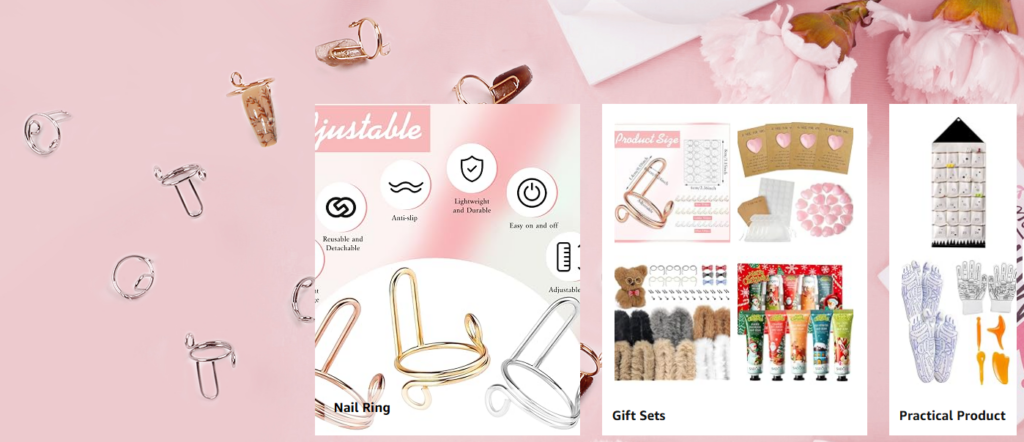
Wudu nail rings are small, reusable accessories worn over or around the nails. Unlike traditional jewelry rings, they are not primarily decorative finger rings; they are nail-focused tools or covers intended to protect nail art, reduce contact with water, or support a cleaner wudu routine. Some designs are simple bands that sit around the fingertip, while others are shaped like tiny caps or shields.
People often search for nail rings for wudu when they want a practical alternative to removing nail polish or nail extensions before every ablution. Others use wudu nail covers to keep nails protected during chores, travel, or beauty treatments. The key is to understand that these products are practical aids, not a substitute for sound religious guidance.
Why Nail Rings for Wudu Are Gaining Attention
Nail art, gel polish, and extensions have become common in modern beauty routines. At the same time, many Muslims want to maintain wudu without giving up personal style. Wudu nail rings offer a middle path for some users: they can cover or protect nails temporarily, making it easier to manage daily routines.
They are also useful for people whose nails are sensitive, damaged, or prone to chipping. A light cover can reduce exposure to cleaning products and harsh soaps. For travelers, small nail rings are easy to carry and simple to clean. However, convenience should never override the basic requirement of wudu: water must reach the parts of the body that must be washed.
How Wudu Nail Covers Work in Daily Routines
Most wudu nail covers are designed to be slipped on before activities that might damage nails, such as gardening, cleaning, or applying hair dye. Others are used as temporary covers during beauty treatments. Some users wear them to protect nail art between prayers, then remove them before wudu if the cover would block water.
- Before wudu: Check whether the cover prevents water from reaching the nail, cuticle, and surrounding skin.
- During wudu: Follow reliable scholarly guidance on what must be washed and what may be covered.
- After wudu: Clean and dry reusable covers to keep them hygienic.
It is important to avoid treating any accessory as a shortcut that compromises the validity of wudu. If a nail cover creates a barrier, it may interfere with water reaching the nail. Many users therefore reserve wudu nail covers for protection outside prayer times or remove them before ablution.
Fit, Comfort, and Water Reach: What to Check
A good wudu nail ring should be comfortable, secure, and easy to remove. Poorly fitted covers can trap moisture, irritate the skin, or slip off during daily tasks. Look for smooth edges, breathable materials, and adjustable designs. Avoid covers that press too tightly on the fingertip or leave adhesive residue.
Practical reminder: Beauty accessories should support your routine, not create doubt. If you are unsure whether a nail cover allows water to reach the nail properly, consult a knowledgeable scholar and choose the safer option.
Choosing the Right Wudu Nail Rings
When shopping for nail rings for wudu, focus on function before appearance. Consider these features:
- Material: Choose skin-friendly, easy-to-clean materials that do not rust or hold odors.
- Size: Select a size that stays in place without pinching the finger.
- Removability: The cover should come off quickly and safely before wudu if needed.
- Hygiene: Reusable covers should be washable with mild soap and water.
- Purpose: Decide whether you need protection during chores, travel, or beauty routines.
Packaging and product descriptions should be clear. If a seller makes broad religious claims, verify them independently. A product can be useful without being a religious ruling.
Hygiene and Care for Wudu Nail Covers
Because nail covers sit close to the skin, hygiene matters. Wash them regularly, dry them completely, and store them in a clean case. Do not share personal nail covers. Check for cracks or rough edges, and replace worn items. If your skin becomes irritated, stop using the product and allow your nails to breathe.
Style Without Losing Your Routine
Wudu nail rings and nail covers come in many subtle designs, from clear caps to soft metallic bands. They can complement a polished look without drawing too much attention. Still, the best style is one that feels comfortable and supports your daily worship routine. Pair them with breathable nail polish, regular nail care, and a simple cleaning schedule.
For many users, the ideal approach is balanced: enjoy nail care, use wudu nail covers when protection is needed, and remove anything that may block water before wudu. This keeps faith, function, and personal style in harmony.
Final Thoughts
Wudu nail rings, nail rings for wudu, and wudu nail covers can be helpful accessories for modern Muslim lifestyles. They offer protection, convenience, and a thoughtful way to manage nail care. Yet they are not a replacement for correct wudu. Choose well-fitted, hygienic products, use them responsibly, and seek reliable scholarly advice when uncertain. With the right balance, faith-friendly nail care can be both practical and beautiful.