Kitchen Dining, Shot Glasses, Coasters, Wine Glasses, and Serveware: The Art of a Thoughtful Table
A memorable meal rarely begins at the stove. It begins with the small decisions that shape how people feel when they sit down: the weight of a glass in the hand, the place where a coaster catches a condensation ring, the tray that carries a shared dish from kitchen to table. Kitchen Dining is not just a room or a category; it is the daily ritual of turning practical objects into an experience. When shot glasses, coasters, wine glasses, and serveware are chosen with care, they do more than hold food and drink. They create rhythm, comfort, and a sense of occasion—even on an ordinary Tuesday.
Start With the Room, Then Let the Details Speak
Kitchen dining spaces are often the hardest-working areas in a home. They host breakfasts, homework, coffee breaks, dinner parties, and late-night conversations. That is why the best table settings are not overly precious. They are beautiful but usable, polished but practical. A stack of everyday plates, a clear water carafe, and a bowl for fruit can sit beside a more formal set of wine glasses without feeling confused. The goal is not perfection. The goal is a table that welcomes people in.
Think in layers. Begin with the surface: a clean table, perhaps a runner or a few woven mats. Add the essentials—plates, cutlery, glasses. Then introduce personality through serveware, coasters, and smaller accents. A low bowl of herbs or citrus can be both decoration and invitation. A board of bread or olives can keep guests company while the final dishes are plated. In kitchen dining, function and atmosphere should move together.
The Quiet Power of Coasters
Coasters are easy to overlook, yet they are among the most considerate items on the table. They protect wood, stone, and glass surfaces from heat and moisture, but they also create small landing places for drinks. A well-chosen coaster can echo the color of the napkins, add texture to a minimalist table, or bring a playful note to a formal setting. Cork is warm and absorbent; stone feels cool and substantial; fabric adds softness. Keep a small stack within reach, and guests will use them without being asked.
A good table setting does not announce itself. It simply makes everyone feel taken care of.
Shot Glasses: Small Vessels, Big Moments
Shot glasses are not only for celebrations. They can be used for espresso, tasting flights, condiments, tiny desserts, or pre-dinner pours. Their small scale makes them ideal for adding a sense of ceremony without overfilling the table. Choose a set that feels comfortable in the hand and suits both casual and elevated occasions. Clear glass keeps the focus on the contents; colored or textured glass adds character. If you entertain often, keep a few shot glasses near the bar area or on a tray with a small pitcher, napkins, and a bowl of citrus wedges.
Practical tip: Use shot glasses as part of a drinks station rather than placing them at every seat. This keeps the table uncluttered and lets guests serve themselves at their own pace.
Wine Glasses and the Shape of Hospitality
Wine glasses do more than hold wine. The right shape can concentrate aroma, soften acidity, and make a simple bottle feel more generous. You do not need a vast collection. A versatile set of all-purpose wine glasses can handle red, white, and rosé with grace. For water, consider a second set that is slightly smaller or simpler. The visual mix of tall stems and low tumblers can make a table feel layered and lived-in.
When setting the table, place wine glasses slightly to the right of the water glass, or arrange them in a loose cluster near the center if guests will pour their own. Always leave space between glasses so they can be lifted without collision. And remember: a wine glass is also a design object. Its clarity, stem, and bowl shape contribute to the overall composition of the table long before anyone takes a sip.
Serveware That Moves With the Meal
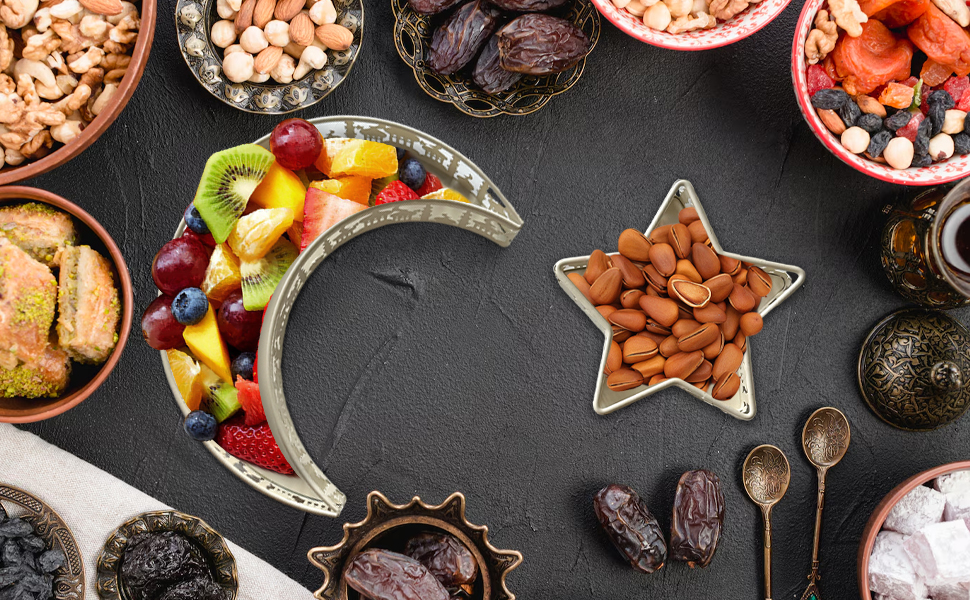
Serveware is the connective tissue of kitchen dining. It carries food from the kitchen, frames it on the table, and encourages sharing. A wide shallow bowl for salads, a rectangular platter for roasted vegetables, a small pitcher for sauce, and a lidded dish for warm bread can transform a collection of recipes into a coordinated meal. Look for pieces that work across seasons: neutral ceramics, brushed metal, dark stoneware, or clear glass. These are the pieces that earn their place in daily use and special occasions alike.
- For weeknights: a large serving bowl, a simple water pitcher, and a small tray for condiments.
- For gatherings: a stack of plates near the table, two or three platters at different heights, and a dedicated coaster station for drinks.
- For small spaces: nesting bowls, stackable glasses, and a folding tray that doubles as a bar or dessert station.
Build a Table That Invites People to Stay
The most successful kitchen dining setups are not the most expensive ones. They are the most thoughtful. A coaster within reach says relax. A clean shot glass and a small pitcher say let’s begin. A generous serveware platter says there is enough for everyone. A wine glass filled with water says you are welcome here. These objects are small, but together they set the tone for conversation, connection, and the kind of meals people remember.
So before the next dinner, look beyond the recipe. Clear the table, choose a few pieces that feel good in the hand, and arrange them with intention. Kitchen dining, shot glasses, coasters, wine glasses, and serveware are not separate categories. They are part of one quiet system of hospitality—one that begins with practical care and ends with people lingering a little longer.